admin

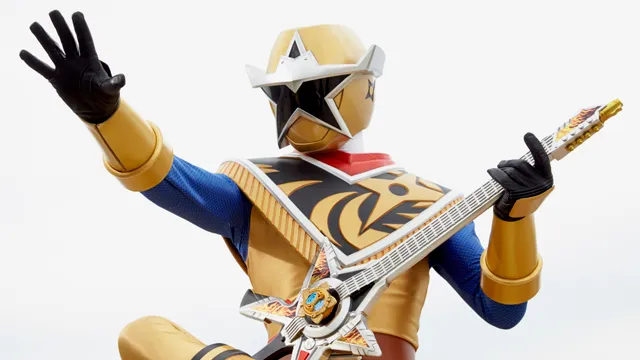
Did You Know? Ninninger featured a sixth-style Ranger whose identity was strongly connected to America?

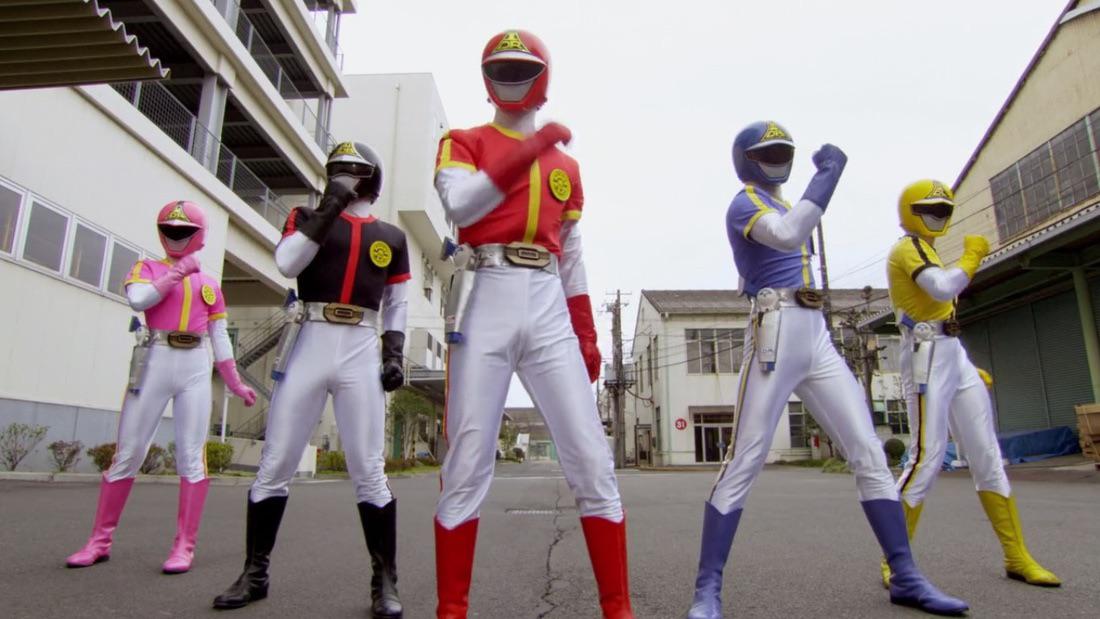
Star Ninger, Kinji Takigawa, came from the United States and trained in a style of ninja combat. His arrival expanded the cultural scope of the story. He was fascinated by Japan and its ninja traditions. That fascination sometimes caused him to behave in exaggerated ways. His character allowed the series to play with the idea…

Read More

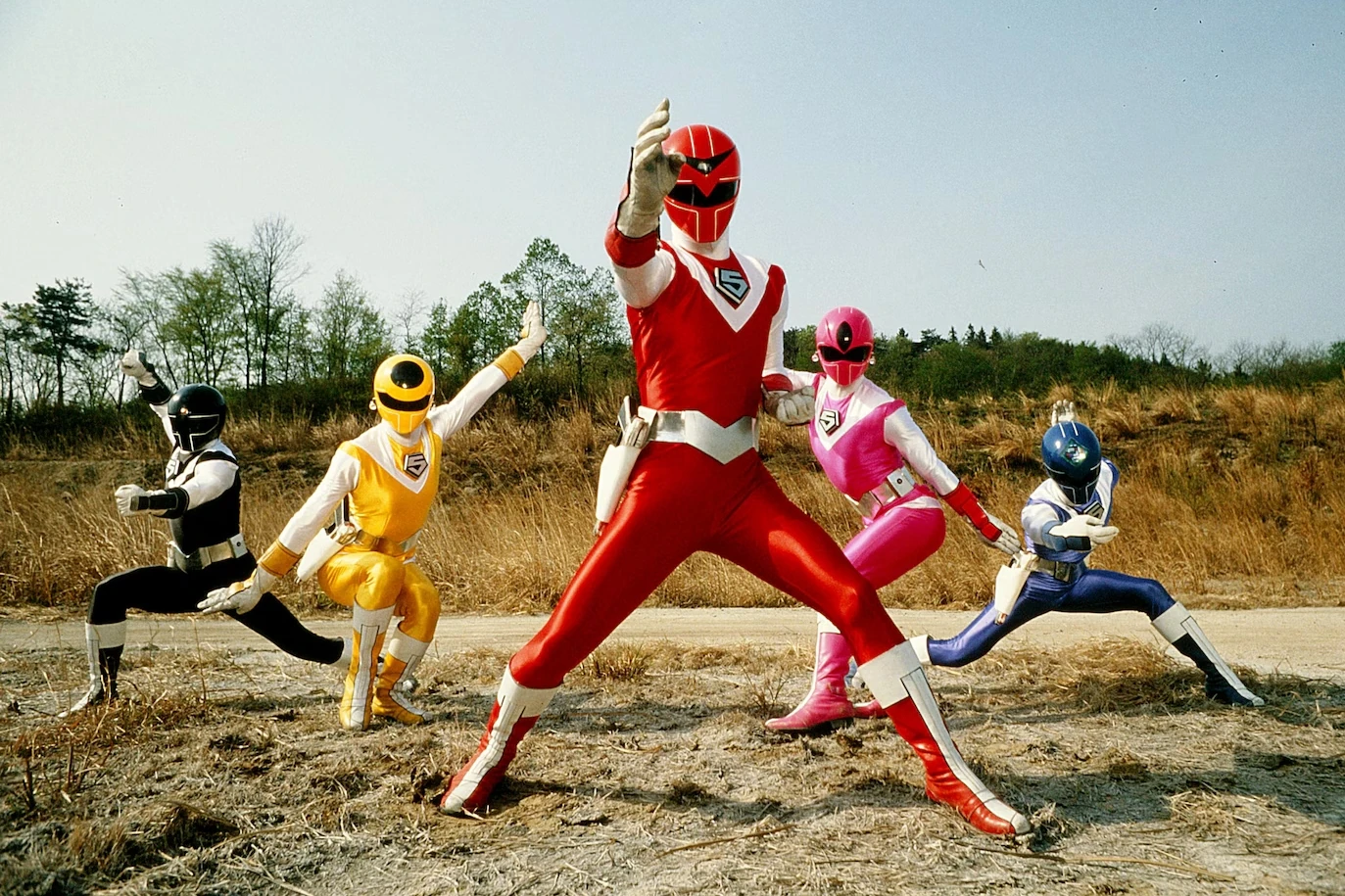
Did You Know? Changeman’s military concept affected the way its heroes interacted with one another?

Dengeki Sentai Changeman gave its team a military background, making the Rangers members of a disciplined organization rather than ordinary civilians who suddenly receive powers. That meant teamwork could be portrayed as part of their training. They already understood orders, formations, strategy, and battlefield responsibility. Their military identity also created a stronger sense that they…

Read More

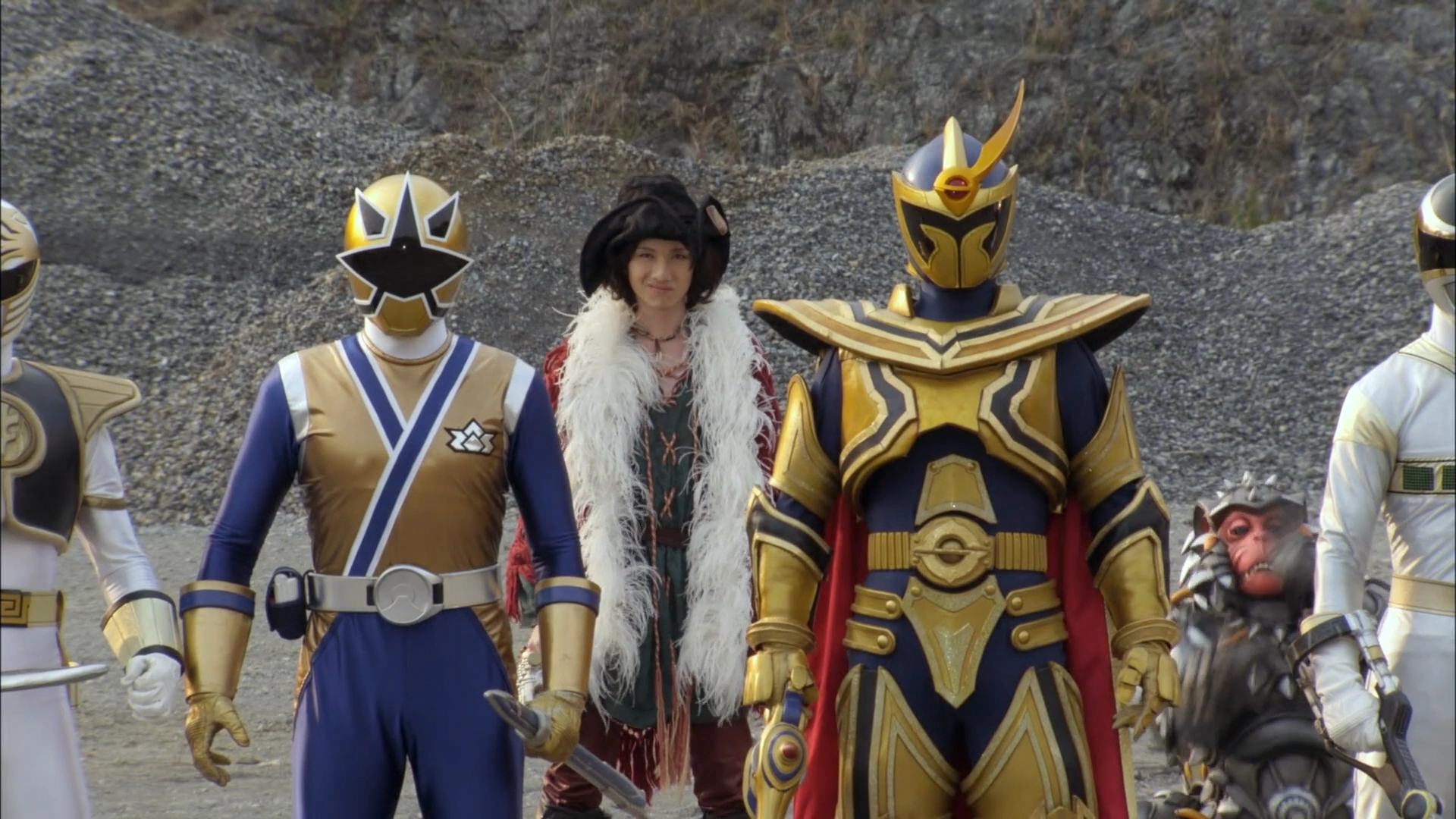
Did You Know? Gokaiger demonstrated that old Ranger powers could be treated as separate identities?

When the Gokaigers transformed into previous Rangers, they weren’t simply wearing random costumes. The transformations represented the abilities and history associated with those teams. This allowed the characters to temporarily adopt different fighting styles. It also created an unusual relationship between the modern heroes and their predecessors. Gokaiger therefore turned decades of costumes and powers…

Read More

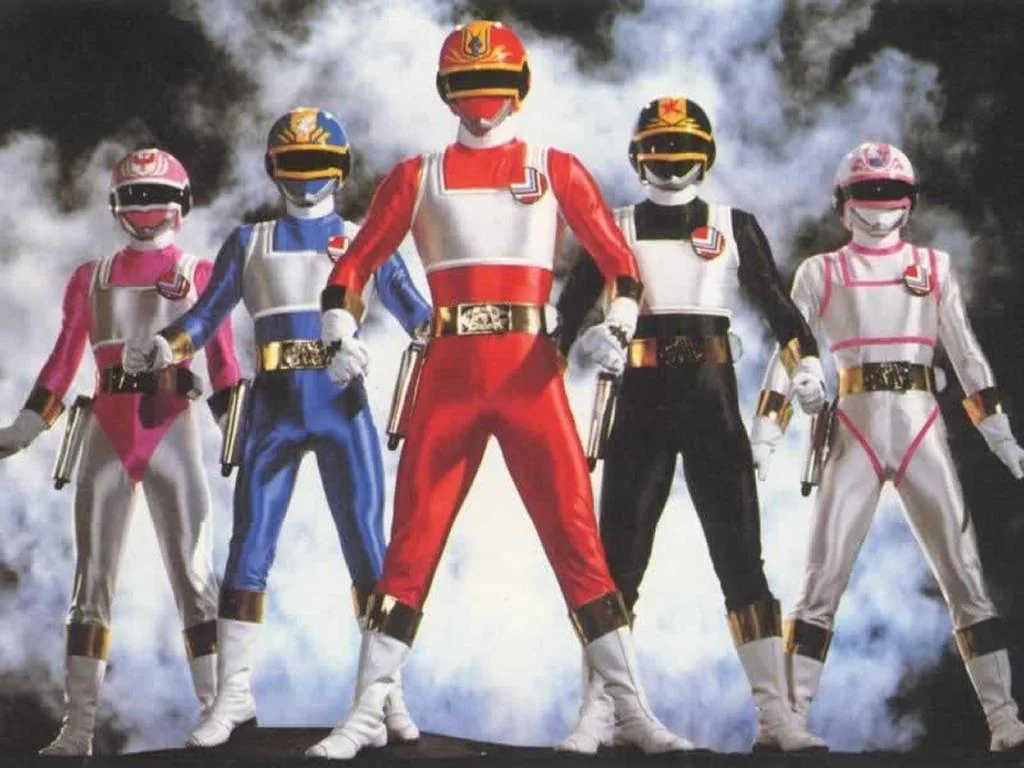
Did You Know? Hikari Sentai Maskman was heavily influenced by martial arts and spiritual concepts?

Maskman placed unusual emphasis on the idea of Aura Power. The Rangers trained to control an internal energy source that strengthened their abilities. This gave the series a strong martial-arts and Eastern philosophical flavor. The heroes weren’t simply using machines; they were developing their own bodies and minds. That combination of technology and spiritual power…

Read More

Did You Know? Ninninger’s main robots were heavily based around ninja and shuriken imagery?

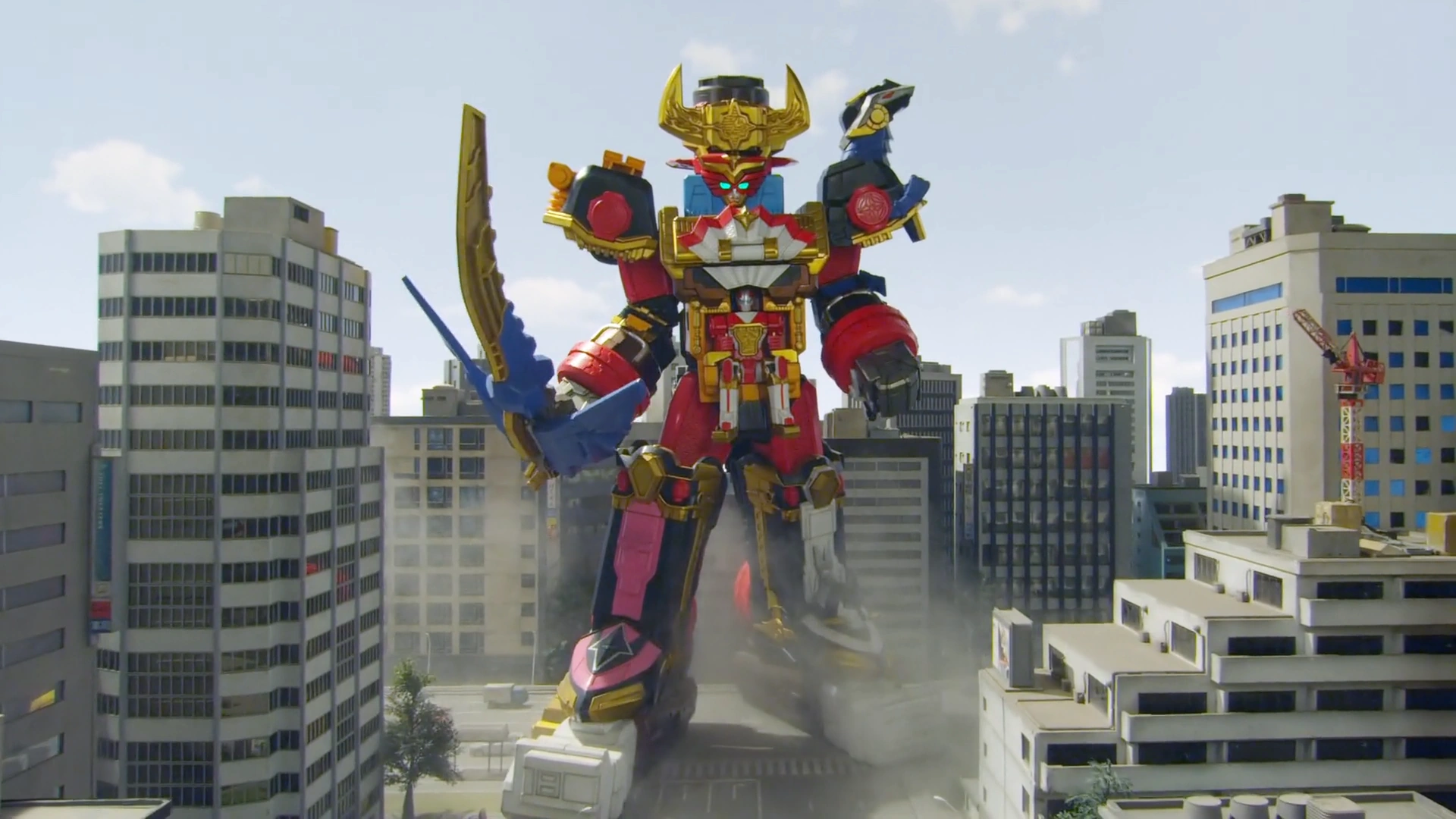
The team’s mecha incorporated shuriken and other ninja-style visual elements. This made the giant robots feel connected to the same theme as the Rangers. The designs were intentionally colorful and energetic. The mecha could also combine in different ways, allowing the team to change its giant-robot configuration. This continued the long Super Sentai tradition of…

Read More

Did You Know? Dynaman is famous for its unusually explosive action style?

The series became known for its colorful explosions and dramatic battle choreography. Explosions had already been part of tokusatsu, but Dynaman pushed the visual spectacle particularly hard. The show helped establish the kind of exaggerated action style that became associated with Super Sentai. Its battles were designed to look exciting even when viewed outside the…

Read More

Peace, Love, and Woe — September 21, 1993 — Mighty Morphin Power Rangers Preview

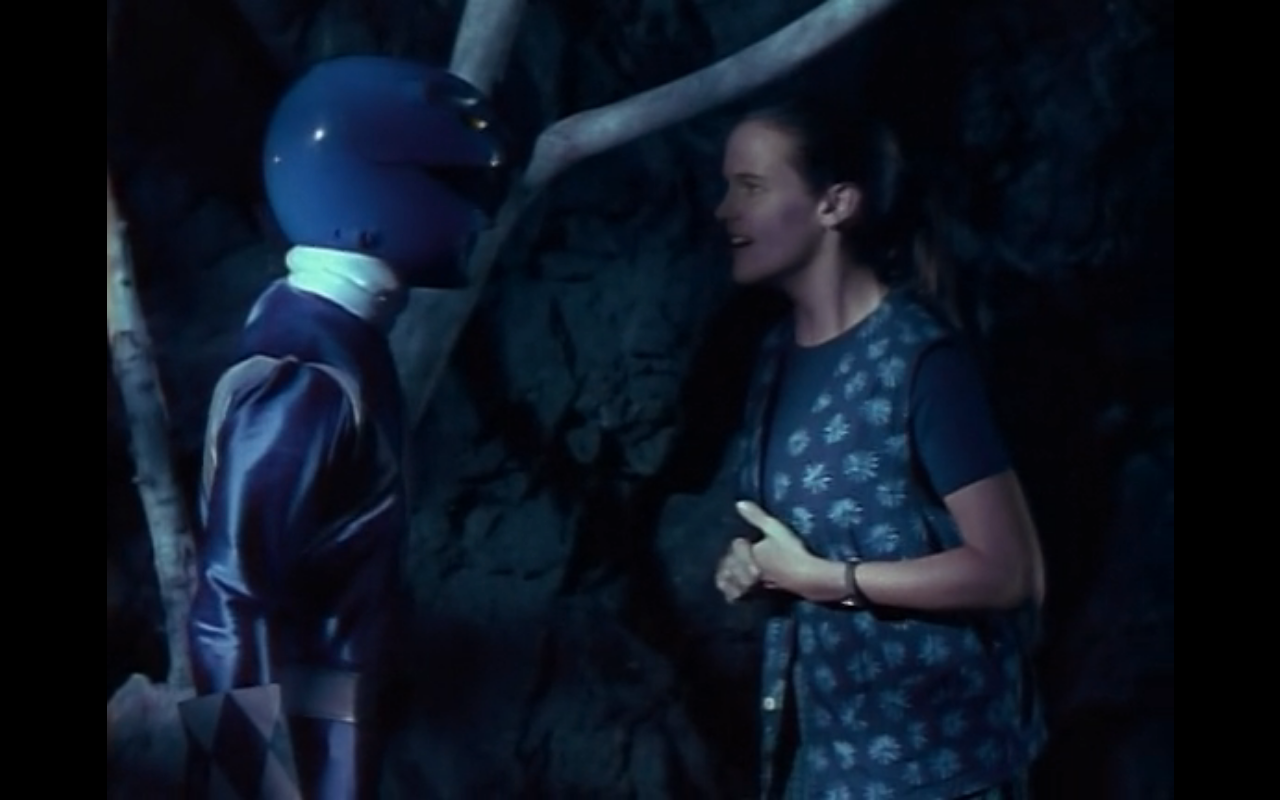
Billy’s feelings for a girl he admires become tangled up with Rita’s latest scheme, creating a situation that requires more than scientific knowledge. When the Rangers face danger, Billy has to draw upon the strength and support of his teammates to protect the person he cares about. The Blue Ranger’s usually logical approach is challenged…

Read More

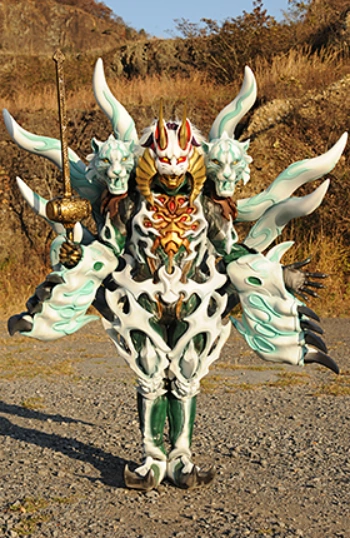
Did You Know? The Kibaoni Army Corps included villains based on different kinds of Japanese warriors?

The organization contained commanders with distinct visual identities. Some looked like samurai, others like monstrous warriors, and others like supernatural beings. Their designs reinforced the season’s connection to Japanese history and folklore. At the same time, Super Sentai exaggerated these inspirations into colorful monster designs. This approach made the villain organization feel like a distorted…

Read More
Back To Top